
☀︎
You are here ⤵
Blog / Knowledge Has Become Our Blindness
11:12 | April 13, 2026 |
The desire to know more is almost inseparable from being human. From the earliest stage of awareness, when a child first begins to observe the world, there is a natural pull toward understanding everything around them. This curiosity does not need to be taught, it simply exists as part of being alive. As we grow, society strengthens this tendency even more by encouraging learning, questioning, and constant expansion of knowledge. Most people strongly believe that the more we know about anything or everything, the better we become, not only for ourselves but also for the people around us. At first glance, this belief feels completely correct and even comforting. Knowledge clearly helps us improve decision making, it helps us adapt to situations, and it allows us to function more effectively in the world. It gives structure to our thoughts and direction to our actions. In many ways, it becomes the foundation of what we call personal and societal progress. However, when we slowly begin to widen our perspective beyond the boundaries of daily life, something deeper begins to emerge. If we are not limited only to this short span of life but start thinking in a much larger sense, even beyond life itself, then new questions naturally arise. What happens to all the knowledge we collect when life ends? Where do all our thoughts go when the body can no longer function? Do they simply vanish without meaning or continuation? And even before birth, when none of this knowledge existed for us, what exactly was that state? These questions are not meant to reject learning, but to push us into thinking about its true place in existence.
When we reflect deeply, it becomes clear that the issue may not lie in knowledge itself but in how and why we pursue it. We often gather information without questioning its direction or purpose. We rarely stop to ask whether what we are learning is leading us toward clarity, confusion, or even unnecessary complexity. This creates a subtle form of ignorance that is not caused by lack of education but by lack of awareness. It is a strange condition because it exists even in people who are highly educated and intellectually capable. Humans, despite being the most advanced thinking beings known to us, often limit themselves within self created boundaries of understanding. We tend to assume that whatever lies outside our current framework of thinking is either irrelevant or too abstract to consider. In doing so, we restrict the natural vastness of human understanding without even realizing it.
So what is actually wrong with this kind of ignorance? At a surface level, it may not appear harmful at all. After all, human civilization continues to move forward at an incredible pace. Science, technology, communication, and infrastructure are constantly evolving, and knowledge seems to be expanding in every direction. But the problem begins when this expansion lacks balance and deeper direction. Knowledge on its own is powerful, but without wisdom it becomes incomplete. In ancient times, this distinction was not only recognized but carefully preserved. The rishis were not simply individuals collecting information or performing intellectual exercises. They were seekers of truth who tried to understand the deeper structure of existence. They had the clarity to recognize that knowledge must be measured, guided, and balanced according to human capacity and purpose. They understood that too little knowledge leaves a person unaware, while too much unstructured knowledge can overwhelm and confuse the mind. In both cases, the result is a form of ignorance, though it appears in different forms.
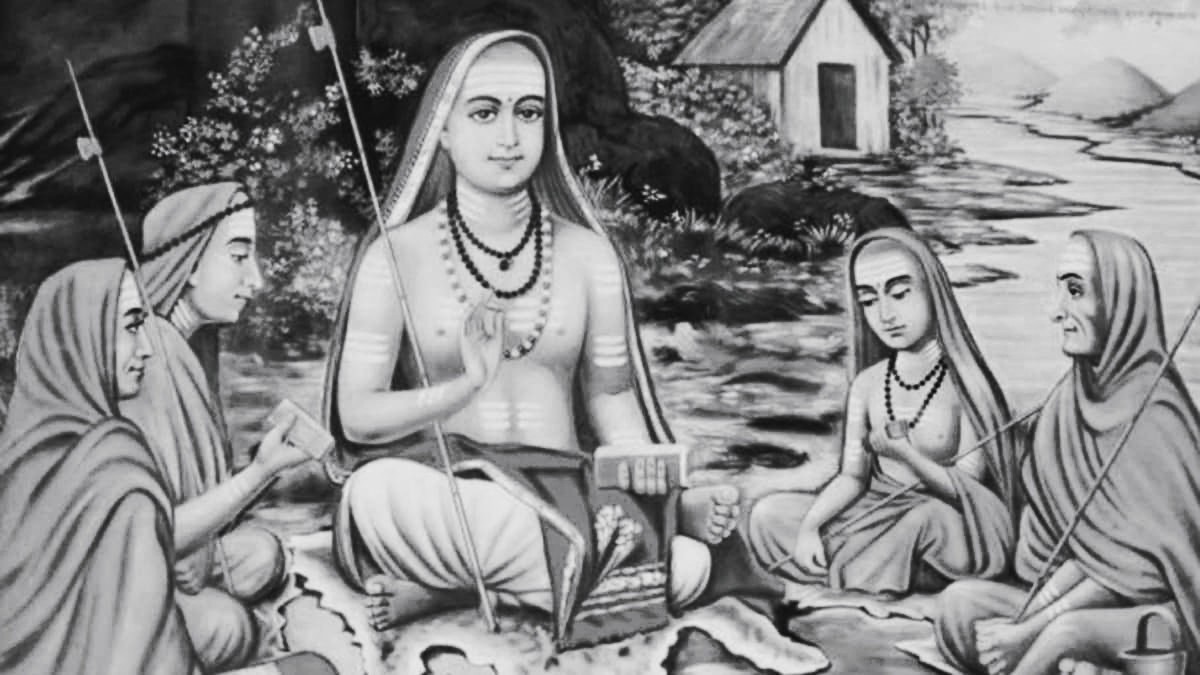
Image: Sri Shankara Acharya
Acharya Shankara had expressed this understanding centuries ago in his teachings. He emphasized that everything in existence has its own limit, and knowledge is no exception. When knowledge is insufficient, a person lives in darkness without awareness of reality. But when knowledge grows excessively without direction, it can create disturbance, distraction, and inner conflict. The mind becomes crowded with information but lacks clarity in understanding. In both situations, ignorance remains present, either through absence or through overload. This kind of imbalance does not remain limited to individual experience alone. Over time, it affects how life is lived, how decisions are made, and even how societies evolve. A life that moves without balance in knowledge and wisdom eventually struggles to maintain stability in the long term.
Modern education, on the other hand, has taken a very different path. The present system of learning is strongly oriented toward material success and measurable achievement. Students are trained to acquire skills that help them secure jobs, build careers, and compete in an increasingly fast paced world. This system has undoubtedly produced remarkable results. Human beings today have achieved levels of technological and scientific advancement that were unimaginable in earlier times. We have access to vast information, powerful tools, and global connectivity. Yet, while material knowledge has grown significantly, other dimensions of human life have slowly lost attention. Moral understanding and spiritual awareness are often treated as optional rather than essential. As a result, many individuals grow intellectually strong but internally uncertain. They may have answers to technical problems but still struggle with deeper questions about purpose, meaning, and fulfillment.
Another important issue is how society reacts when someone tries to explore beyond material knowledge. When an individual begins to question deeper aspects of existence or shows interest in understanding life beyond physical and practical concerns, they are often misunderstood. Such people may be labeled as unrealistic, impractical, or even disconnected from reality. In some cases, they are placed into predefined categories such as spiritual teachers or gurus, but without genuine understanding of what they are actually exploring. This kind of reaction creates hesitation in others. It discourages open inquiry into areas that are not immediately measurable or commercially useful. Gradually, this shapes a mindset where only certain forms of knowledge are considered valid, while others are dismissed without exploration.
A complete human life cannot be built on a single dimension of understanding. Human existence is made up of multiple layers, including physical health, mental stability, emotional depth, and spiritual awareness. All these aspects are interconnected and influence one another continuously. Ignoring any one of them creates imbalance. In the current world, material concerns dominate almost every aspect of life. People focus heavily on external success and physical comfort. In recent times, mental health has begun to receive more attention, which is a positive and necessary shift. However, spiritual understanding is still widely neglected or misunderstood. Many people either reject it completely without exploration or accept it blindly without applying reasoning. Both approaches prevent a real understanding of what spirituality actually represents in human life.
There is a traditional saying that advises us not to search for the origins of certain profound things, such as rivers or the lineage of ancient sages. This idea suggests that some truths are not meant to be traced in a linear or physical sense. In a similar way, the deeper roots of balanced knowledge belong to a time when life was structured differently. Material needs were simpler, mental awareness was more naturally aligned, and spiritual understanding held a central position in daily living. When we compare modern scientists with ancient rishis using only present day standards, it may appear that modern science represents higher intelligence. However, this comparison itself may be limited because it is based only on measurable outcomes and not on the full spectrum of human understanding.
The deeper concern lies in the many forms of ignorance that exist within human life. We often lack clear understanding of ourselves, of other people, and of the world we live in. There is confusion in distinguishing what is truly meaningful from what is temporary. Our sense of morality is often inconsistent, our reasoning can be influenced by external pressures, and our capacity for selfless action is frequently limited by personal interest. These layers of ignorance are not always visible on the surface, but they quietly shape decisions and behaviors. If they remain unaddressed for too long, they can slowly lead humanity toward imbalance and instability in a broader sense.
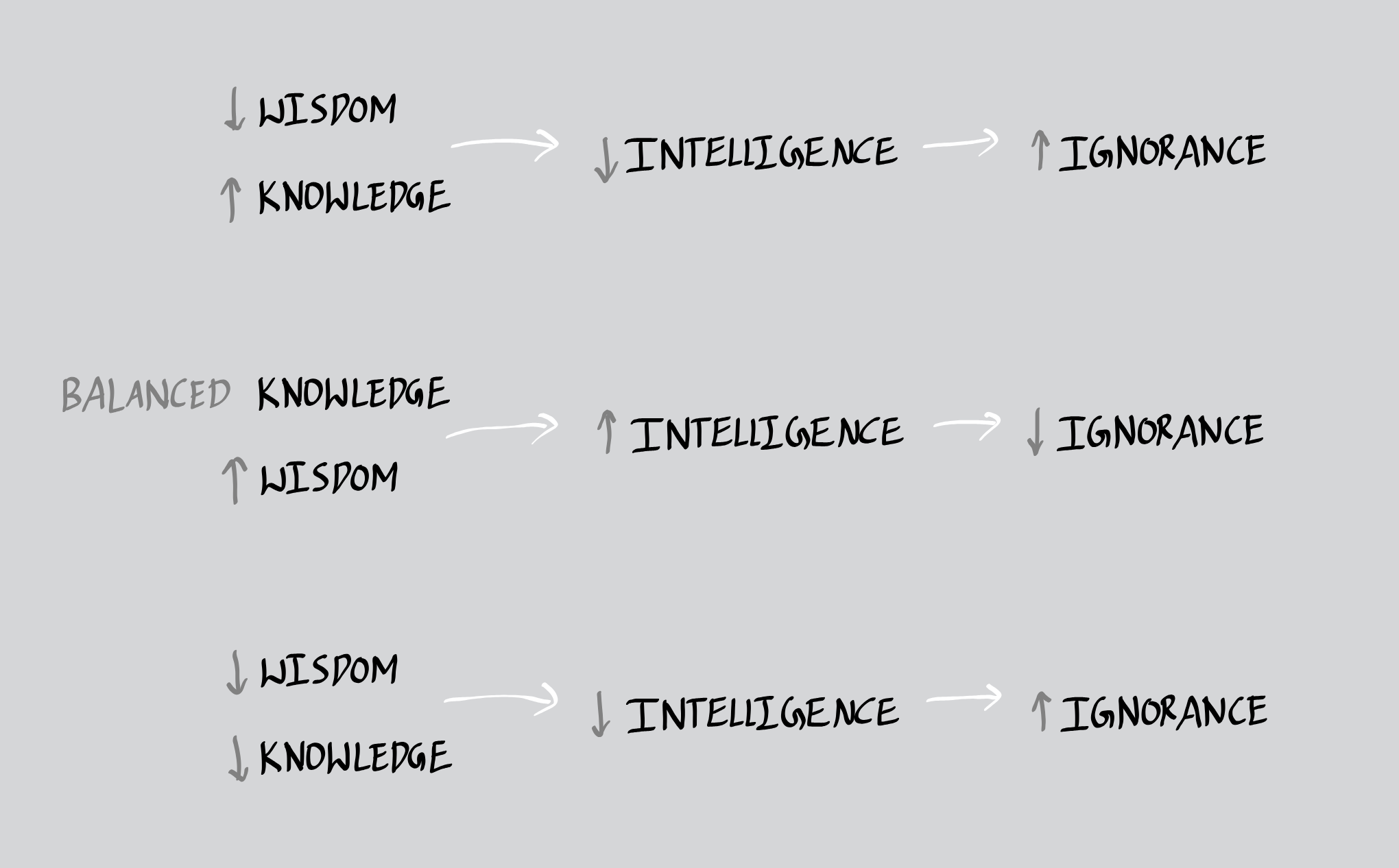
To move away from such ignorance, simply accumulating more information is not enough. In many situations, it becomes equally important to unlearn certain patterns of thinking that no longer serve clarity. Not all knowledge contributes to growth in the same way, and not all information leads to wisdom. Sometimes, holding onto unnecessary complexity only increases confusion. Creating space for reflection, simplicity, and deeper awareness becomes essential. This requires patience and a willingness to question long held assumptions about what knowledge truly means.
Traditionally, guidance from a guru played an important role in helping individuals navigate this balance. A teacher or guide would help a seeker understand which direction to follow and how to avoid confusion along the way. In the present time, however, finding such genuine guidance has become extremely difficult. Trust between individuals has weakened, and authentic mentorship is rare. Despite this, the need for guidance has not disappeared. It remains as relevant as ever because human confusion has not reduced, even though information has increased. Acharya Vishnugupta once explained that knowledge gained without proper guidance is like a valuable gem placed in the hands of someone who does not know its worth. It may still be precious, but without understanding, it cannot be used effectively.
When ignorance continues in this form, it slowly takes away the feeling of true fulfillment. A person may achieve success, gather wealth, gain recognition, and still feel an inner emptiness that is difficult to explain. This emptiness is not caused by lack of knowledge or lack of achievement, but by imbalance in understanding. True fulfillment arises when knowledge is connected with wisdom and when learning is aligned with purpose. It also comes from recognizing that not everything valuable in life can be measured, quantified, or stored as information.
In the end, the real question is not about how much knowledge a person accumulates, but about how deeply they understand the purpose behind that knowledge. When learning is guided by wisdom and balanced across all dimensions of human existence, it becomes meaningful in a complete sense. Only then can knowledge truly support a life that feels whole, stable, and genuinely fulfilling.
Think about it!
೧೧:೧೨ | ಏಪ್ರಿಲ್ ೧೩, ೨೦೨೬ |
ಮಾನವನಾಗಿರುವುದು ಎಂದರೆ ಹೆಚ್ಚಿನದನ್ನು ತಿಳಿದುಕೊಳ್ಳಬೇಕೆಂಬ ಆಸೆಯೊಂದಿಗೆ ಅಳಿಯದ ಸಂಬಂಧ ಹೊಂದಿರುವುದು. ಅರಿವಿನ ಆರಂಭಿಕ ಹಂತದಲ್ಲೇ, ಒಂದು ಮಗು ಲೋಕವನ್ನು ಗಮನಿಸಲು ಪ್ರಾರಂಭಿಸಿದ ಕ್ಷಣದಿಂದಲೇ, ತನ್ನ ಸುತ್ತಲಿರುವ ಎಲ್ಲವನ್ನೂ ತಿಳಿದುಕೊಳ್ಳಬೇಕೆಂಬ ಸಹಜ ಆಕರ್ಷಣೆ ವ್ಯಕ್ತವಾಗುತ್ತದೆ. ಈ ಕುತೂಹಲವನ್ನು ಕಲಿಸಬೇಕಾಗಿಲ್ಲ; ಅದು ಬದುಕಿನ ಸಹಜ ಸ್ವಭಾವವಾಗಿಯೇ ಅಸ್ತಿತ್ವದಲ್ಲಿರುತ್ತದೆ. ನಾವು ಬೆಳೆಯುತ್ತಾ ಹೋದಂತೆ, ಸಮಾಜವು ಕಲಿಕೆ, ಪ್ರಶ್ನಿಸುವಿಕೆ ಮತ್ತು ಜ್ಞಾನ ವಿಸ್ತರಣೆಯನ್ನು ಉತ್ತೇಜಿಸುವ ಮೂಲಕ ಈ ಪ್ರವೃತ್ತಿಯನ್ನು ಇನ್ನಷ್ಟು ಬಲಪಡಿಸುತ್ತದೆ. ಅನೇಕ ಜನರು, ಯಾವುದಾದರೂ ವಿಷಯದ ಬಗ್ಗೆ ಹೆಚ್ಚು ತಿಳಿದಷ್ಟೂ ನಾವು ಉತ್ತಮರಾಗುತ್ತೇವೆ ಎಂದು ದೃಢವಾಗಿ ನಂಬುತ್ತಾರೆ. ಅದು ನಮಗಷ್ಟೇ ಅಲ್ಲ, ನಮ್ಮ ಸುತ್ತಲಿನ ಜನರಿಗೂ ಸಹ ಉಪಯುಕ್ತವಾಗುತ್ತದೆ. ಮೊದಲ ದೃಷ್ಟಿಯಲ್ಲಿ ಈ ನಂಬಿಕೆ ಸಂಪೂರ್ಣವಾಗಿ ಸರಿಯೆಂದು ಹಾಗೂ ಮನಸ್ಸಿಗೆ ಸಮಾಧಾನಕಾರಿಯೆಂದು ಕಾಣುತ್ತದೆ. ಜ್ಞಾನವು ನಮ್ಮ ನಿರ್ಧಾರಗಳನ್ನು ಸುಧಾರಿಸುತ್ತದೆ, ಪರಿಸ್ಥಿತಿಗಳಿಗೆ ಹೊಂದಿಕೊಳ್ಳಲು ನೆರವಾಗುತ್ತದೆ ಮತ್ತು ಲೋಕದಲ್ಲಿ ಪರಿಣಾಮಕಾರಿಯಾಗಿ ನಡೆದುಕೊಳ್ಳಲು ಸಹಾಯಕವಾಗುತ್ತದೆ. ಅದು ನಮ್ಮ ಚಿಂತನೆಗೆ ರೂಪ ನೀಡುತ್ತದೆ ಹಾಗೂ ನಮ್ಮ ಕ್ರಿಯೆಗಳಿಗೆ ದಿಕ್ಕನ್ನು ನಿರ್ಧರಿಸುತ್ತದೆ. ಅನೇಕ ರೀತಿಗಳಲ್ಲಿ ಅದು ವೈಯಕ್ತಿಕ ಹಾಗೂ ಸಾಮಾಜಿಕ ಪ್ರಗತಿಯ ಮೂಲಾಧಾರವಾಗುತ್ತದೆ.
ಆದರೆ, ನಾವು ನಿಧಾನವಾಗಿ ದೈನಂದಿನ ಜೀವನದ ಮಿತಿಗಳನ್ನು ಮೀರಿ ವಿಶಾಲವಾದ ದೃಷ್ಟಿಕೋಣವನ್ನು ಅಳವಡಿಸಿಕೊಳ್ಳಲು ಪ್ರಾರಂಭಿಸಿದಾಗ, ಇನ್ನಷ್ಟು ಆಳವಾದ ವಿಚಾರಗಳು ಹೊರಹೊಮ್ಮುತ್ತವೆ. ನಾವು ಈ ಚಿಕ್ಕ ಜೀವನಾವಧಿಗೆ ಮಾತ್ರ ಸೀಮಿತವಾಗದೇ, ಜೀವನದಾಚೆಯೂ ಚಿಂತನೆ ನಡೆಸಿದರೆ, ಸಹಜವಾಗಿಯೇ ಹೊಸ ಪ್ರಶ್ನೆಗಳು ಉದ್ಭವಿಸುತ್ತವೆ. ಜೀವನ ಮುಗಿದ ನಂತರ ನಾವು ಸಂಗ್ರಹಿಸಿದ ಜ್ಞಾನಕ್ಕೆ ಏನಾಗುತ್ತದೆ? ದೇಹವು ಕಾರ್ಯನಿರ್ವಹಿಸಲು ಸಾಧ್ಯವಾಗದಾಗ ನಮ್ಮ ಚಿಂತನೆಗಳು ಎಲ್ಲಿಗೆ ಸೇರುತ್ತವೆ? ಅವು ಯಾವುದೇ ಅರ್ಥವಿಲ್ಲದೆ ನಶಿಸಿಹೋಗುತ್ತವೆಯೇ? ಜನ್ಮಕ್ಕೂ ಮುನ್ನ, ಈ ಜ್ಞಾನ ಯಾವುದೂ ನಮ್ಮಲ್ಲಿರದ ಸಂದರ್ಭದಲ್ಲಿ, ಆ ಸ್ಥಿತಿ ಏನು? ಈ ಪ್ರಶ್ನೆಗಳು ಕಲಿಕೆಯನ್ನು ನಿರಾಕರಿಸಲು ಅಲ್ಲ; ಅದರ ಅಸ್ತಿತ್ವದಲ್ಲಿನ ನಿಜವಾದ ಸ್ಥಾನವನ್ನು ಅರಿಯಲು ಪ್ರೇರೇಪಿಸುವುದಕ್ಕಾಗಿ.
ನಾವು ಆಳವಾಗಿ ಪರಾಮರ್ಶಿಸಿದಾಗ, ಸಮಸ್ಯೆ ಜ್ಞಾನದಲ್ಲೇ ಇಲ್ಲ; ಅದನ್ನು ನಾವು ಹೇಗೆ ಮತ್ತು ಏಕೆ ಅನುಸರಿಸುತ್ತೇವೆ ಎಂಬುದರಲ್ಲಿ ಇದೆ ಎಂಬುದು ಸ್ಪಷ್ಟವಾಗುತ್ತದೆ. ನಾವು ಅದರ ದಿಕ್ಕು ಅಥವಾ ಉದ್ದೇಶವನ್ನು ಪರಿಶೀಲಿಸದೆ ಮಾಹಿತಿಯನ್ನು ಸಂಗ್ರಹಿಸುತ್ತೇವೆ. ನಾವು ಕಲಿಯುತ್ತಿರುವುದು ಸ್ಪಷ್ಟತೆಗೆ ದಾರಿ ಮಾಡಿಕೊಡುತ್ತಿದೆಯೇ, ಗೊಂದಲಕ್ಕೆ ಕಾರಣವಾಗುತ್ತಿದೆಯೇ ಅಥವಾ ಅನಾವಶ್ಯಕ ಸಂಕೀರ್ಣತೆಯನ್ನು ಹೆಚ್ಚಿಸುತ್ತಿದೆಯೇ ಎಂಬುದನ್ನು ವಿರಳವಾಗಿ ವಿಚಾರಿಸುತ್ತೇವೆ. ಇದರಿಂದ ಶಿಕ್ಷಣದ ಕೊರತೆಯಿಂದಲ್ಲ, ಅರಿವಿನ ಕೊರತೆಯಿಂದ ಉಂಟಾಗುವ ಸೂಕ್ಷ್ಮ ಅಜ್ಞಾನ ಉದ್ಭವಿಸುತ್ತದೆ. ಇದು ವಿಚಿತ್ರವಾದ ಸ್ಥಿತಿ; ಏಕೆಂದರೆ ಇದು ಅತ್ಯಂತ ವಿದ್ಯಾವಂತರಲ್ಲಿಯೂ ಕಂಡುಬರುತ್ತದೆ. ಮಾನವರು, ಉನ್ನತ ಚಿಂತನಾ ಸಾಮರ್ಥ್ಯ ಹೊಂದಿದ್ದರೂ, ತಮ್ಮದೇ ನಿರ್ಮಿತವಾದ ಅರ್ಥಗಳ ಮಿತಿಗಳೊಳಗೆ ತಾವೇ ಸೀಮಿತರಾಗುತ್ತಾರೆ. ತಮ್ಮ ಚಿಂತನೆಯ ಗಡುವಿನಾಚೆಯಿರುವುದನ್ನು ಅನಾವಶ್ಯಕ ಅಥವಾ ಅತಿಯಾಗಿ ಗೂಢವಾದದ್ದು ಎಂದು ನಿರ್ಲಕ್ಷಿಸುವ ಪ್ರವೃತ್ತಿ ಕಾಣಿಸುತ್ತದೆ. ಈ ರೀತಿಯಾಗಿ, ಮಾನವ ಬುದ್ಧಿಯ ಸಹಜ ವಿಶಾಲತೆಯನ್ನು ಅರಿಯದೆ ತಾವೇ ಅದನ್ನು ಸೀಮಿತಗೊಳಿಸುತ್ತಾರೆ.
ಹೀಗಾಗಿ, ಈ ರೀತಿಯ ಅಜ್ಞಾನದಲ್ಲಿ ತಪ್ಪೇನು? ಮೇಲ್ನೋಟಕ್ಕೆ ಅದು ಹಾನಿಕಾರಕವಾಗಿ ಕಾಣಿಸದಿರಬಹುದು. ಮಾನವ ನಾಗರಿಕತೆ ಅದ್ಭುತ ವೇಗದಲ್ಲಿ ಮುಂದುವರಿಯುತ್ತಿದೆ. ವಿಜ್ಞಾನ, ತಂತ್ರಜ್ಞಾನ, ಸಂವಹನ ಹಾಗೂ ಮೂಲಸೌಕರ್ಯಗಳು ನಿರಂತರವಾಗಿ ಅಭಿವೃದ್ಧಿ ಹೊಂದುತ್ತಿವೆ; ಜ್ಞಾನವು ಎಲ್ಲ ದಿಕ್ಕುಗಳಲ್ಲಿಯೂ ವಿಸ್ತರಿಸುತ್ತಿದೆ. ಆದರೆ, ಈ ವಿಸ್ತರಣೆ ಸಮತೋಲನ ಮತ್ತು ಆಳವಾದ ದಿಕ್ಕಿಲ್ಲದೆ ನಡೆಯುವಾಗ ಸಮಸ್ಯೆ ಉದ್ಭವಿಸುತ್ತದೆ. ಜ್ಞಾನವು ಸ್ವತಃ ಶಕ್ತಿಯುತವಾದರೂ, ಜ್ಞಾನೋದಯವಿಲ್ಲದೆ ಅದು ಅಪೂರ್ಣವಾಗುತ್ತದೆ. ಪುರಾತನ ಕಾಲದಲ್ಲಿ ಈ ವ್ಯತ್ಯಾಸವನ್ನು ಸ್ಪಷ್ಟವಾಗಿ ಗುರುತಿಸಿ ಸಂರಕ್ಷಿಸಲಾಗುತ್ತಿತ್ತು. ಋಷಿಗಳು ಕೇವಲ ಮಾಹಿತಿಯನ್ನು ಸಂಗ್ರಹಿಸುವವರು ಅಲ್ಲ; ಅವರು ಸತ್ಯವನ್ನು ಅನ್ವೇಷಿಸುವವರು. ಅಸ್ತಿತ್ವದ ಆಳವಾದ ತತ್ತ್ವವನ್ನು ತಿಳಿದುಕೊಳ್ಳಲು ಅವರು ಪ್ರಯತ್ನಿಸಿದರು. ಜ್ಞಾನವು ಮಾನವ ಸಾಮರ್ಥ್ಯ ಮತ್ತು ಉದ್ದೇಶಕ್ಕೆ ಅನುಗುಣವಾಗಿ ನಿಯಂತ್ರಿತ, ಮಾರ್ಗದರ್ಶಿತ ಮತ್ತು ಸಮತೋಲನದಲ್ಲಿರಬೇಕು ಎಂಬ ಅರಿವು ಅವರಿಗೆ ಇತ್ತು. ಅಲ್ಪ ಜ್ಞಾನವು ವ್ಯಕ್ತಿಯನ್ನು ಅರಿವಿಲ್ಲದ ಸ್ಥಿತಿಯಲ್ಲಿ ಇಡುತ್ತದೆ; ಅತಿಯಾದ ಅಸಂಘಟಿತ ಜ್ಞಾನವು ಮನಸ್ಸನ್ನು ಗೊಂದಲಗೊಳಿಸುತ್ತದೆ. ಎರಡೂ ಸಂದರ್ಭಗಳಲ್ಲಿ ಅಜ್ಞಾನವು ವಿಭಿನ್ನ ರೂಪಗಳಲ್ಲಿ ಮುಂದುವರಿಯುತ್ತದೆ.
ಚಿತ್ರ: ಶ್ರೀ ಶಂಕರಾಚಾರ್ಯರು
ಆಚಾರ್ಯ ಶಂಕರರು ಈ ಅರಿವನ್ನು ಶತಮಾನಗಳ ಹಿಂದೆ ತಮ್ಮ ಉಪದೇಶಗಳಲ್ಲಿ ವ್ಯಕ್ತಪಡಿಸಿದ್ದಾರೆ. ಅಸ್ತಿತ್ವದಲ್ಲಿರುವ ಪ್ರತಿಯೊಂದಕ್ಕೂ ಮಿತಿ ಇದೆ; ಜ್ಞಾನವೂ ಅದಕ್ಕೆ ಹೊರತಲ್ಲ ಎಂಬುದನ್ನು ಅವರು ಒತ್ತಿ ಹೇಳಿದ್ದಾರೆ. ಜ್ಞಾನ ಅಪೂರ್ಣವಾಗಿದ್ದರೆ ವ್ಯಕ್ತಿ ವಾಸ್ತವಿಕತೆಯ ಅರಿವಿಲ್ಲದೆ ಅಂಧಕಾರದಲ್ಲೇ ಇರುತ್ತಾನೆ. ಆದರೆ, ಜ್ಞಾನವು ದಿಕ್ಕಿಲ್ಲದೆ ಅತಿಯಾಗಿ ವೃದ್ಧಿಯಾದರೆ ಅದು ಅಶಾಂತಿ, ವ್ಯತ್ಯಯ ಮತ್ತು ಆಂತರಿಕ ಸಂಘರ್ಷವನ್ನು ಉಂಟುಮಾಡುತ್ತದೆ. ಮನಸ್ಸು ಮಾಹಿತಿಯಿಂದ ತುಂಬಿದರೂ ಸ್ಪಷ್ಟತೆಯ ಕೊರತೆ ಉಂಟಾಗುತ್ತದೆ. ಈ ಎರಡೂ ಸ್ಥಿತಿಗಳಲ್ಲಿಯೂ ಅಜ್ಞಾನವೇ ಮುಂದುವರಿಯುತ್ತದೆ. ಒಂದು ಕೊರತೆಯಿಂದ, ಮತ್ತೊಂದು ಅಧಿಕತೆಯಿಂದ. ಈ ಅಸಮತೋಲನವು ಕೇವಲ ವೈಯಕ್ತಿಕ ಅನುಭವಕ್ಕೆ ಸೀಮಿತವಾಗದೆ, ಕಾಲಕ್ರಮೇಣ ಜೀವನ ಶೈಲಿ, ನಿರ್ಧಾರಗಳು ಹಾಗೂ ಸಮಾಜದ ಅಭಿವೃದ್ಧಿಯ ಮೇಲೂ ಪರಿಣಾಮ ಬೀರುತ್ತದೆ.
ಆಧುನಿಕ ಶಿಕ್ಷಣ ವ್ಯವಸ್ಥೆ ಇದಕ್ಕಿಂತ ವಿಭಿನ್ನ ದಾರಿಯನ್ನು ಅನುಸರಿಸಿದೆ. ಇಂದಿನ ಕಲಿಕೆ ಪದ್ಧತಿ ಭೌತಿಕ ಯಶಸ್ಸು ಮತ್ತು ಅಳೆಯಬಹುದಾದ ಸಾಧನೆಗಳತ್ತ ಹೆಚ್ಚು ಕೇಂದ್ರೀಕೃತವಾಗಿದೆ. ವಿದ್ಯಾರ್ಥಿಗಳಿಗೆ ಉದ್ಯೋಗ, ವೃತ್ತಿ ಹಾಗೂ ಸ್ಪರ್ಧಾತ್ಮಕ ಜಗತ್ತಿನಲ್ಲಿ ಯಶಸ್ಸು ಸಾಧಿಸಲು ಅಗತ್ಯವಾದ ಕೌಶಲ್ಯಗಳನ್ನು ಕಲಿಸಲಾಗುತ್ತದೆ. ಇದರಿಂದ ಗಮನಾರ್ಹ ಸಾಧನೆಗಳು ಸಾಧ್ಯವಾಗಿದ್ದರೂ, ಮಾನವ ಜೀವನದ ಇತರ ಆಯಾಮಗಳು ನಿಧಾನವಾಗಿ ನಿರ್ಲಕ್ಷ್ಯಗೊಳ್ಳುತ್ತಿವೆ. ನೀತಿಜ್ಞಾನ ಮತ್ತು ಆಧ್ಯಾತ್ಮಿಕ ಅರಿವುಗಳನ್ನು ಬಹುಮಟ್ಟಿಗೆ ಆಯ್ಕೆಯ ವಿಷಯಗಳಂತೆ ಪರಿಗಣಿಸಲಾಗುತ್ತಿದೆ. ಇದರ ಪರಿಣಾಮವಾಗಿ ಅನೇಕರು ಬೌದ್ಧಿಕವಾಗಿ ಬಲಿಷ್ಠರಾಗಿದ್ದರೂ, ಒಳಗಿನಿಂದ ಅಸ್ಪಷ್ಟತೆಯನ್ನು ಅನುಭವಿಸುತ್ತಾರೆ.
ಭೌತಿಕ ಜ್ಞಾನವನ್ನು ಮೀರಿ ಜೀವನದ ಆಳವಾದ ಅಂಶಗಳನ್ನು ಅನ್ವೇಷಿಸಲು ಯತ್ನಿಸುವವರನ್ನು ಸಮಾಜವು ಬಹುಸಾರಿ ತಪ್ಪಾಗಿ ಅರ್ಥಮಾಡಿಕೊಳ್ಳುತ್ತದೆ. ಇಂತಹವರನ್ನು ಅಸಾಧ್ಯವಾದವರು, ಅಪ್ರಾಯೋಗಿಕರು ಅಥವಾ ವಾಸ್ತವಿಕತೆಯಿಂದ ದೂರವಾಗಿರುವವರು ಎಂದು ಗುರುತಿಸಲಾಗುತ್ತದೆ. ಇದರಿಂದ ಇತರರಲ್ಲಿ ಹಿಂಜರಿಕೆ ಉಂಟಾಗಿ, ಅಳತೆಯಾಗದ ಜ್ಞಾನ ಕ್ಷೇತ್ರಗಳ ಅನ್ವೇಷಣೆ ಕುಂಠಿತವಾಗುತ್ತದೆ.
ಸಂಪೂರ್ಣ ಮಾನವ ಜೀವನವು ಒಂದೇ ಆಯಾಮದ ಮೇಲೆ ನಿರ್ಮಾಣವಾಗುವುದಿಲ್ಲ. ದೈಹಿಕ ಆರೋಗ್ಯ, ಮಾನಸಿಕ ಸ್ಥಿರತೆ, ಭಾವನಾತ್ಮಕ ಆಳ ಮತ್ತು ಆಧ್ಯಾತ್ಮಿಕ ಅರಿವು. ಇವುಗಳೆಲ್ಲ ಪರಸ್ಪರ ಸಂಬಂಧ ಹೊಂದಿವೆ. ಇವುಗಳಲ್ಲಿ ಯಾವುದನ್ನಾದರೂ ನಿರ್ಲಕ್ಷಿಸಿದರೆ ಅಸಮತೋಲನ ಉಂಟಾಗುತ್ತದೆ.
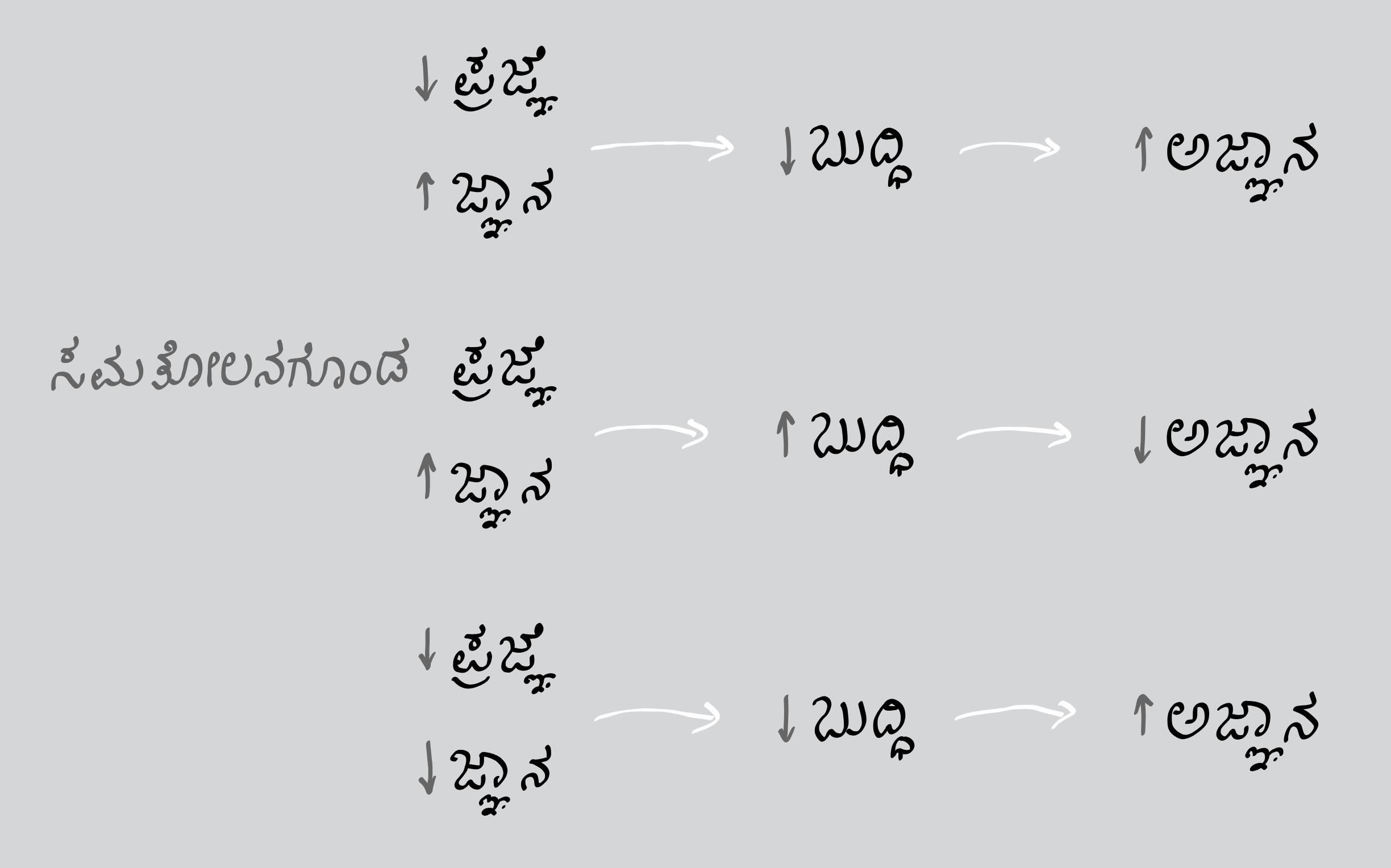
ಅಜ್ಞಾನವನ್ನು ನಿವಾರಿಸಲು ಕೇವಲ ಹೆಚ್ಚಿನ ಮಾಹಿತಿ ಸಂಗ್ರಹಿಸುವುದೇ ಸಾಕಾಗುವುದಿಲ್ಲ. ಕೆಲವೊಮ್ಮೆ ಅನಾವಶ್ಯಕವಾದ ಚಿಂತನಾ ಮಾದರಿಗಳನ್ನು ತ್ಯಜಿಸುವುದೂ ಅಗತ್ಯ. ಎಲ್ಲಾ ಜ್ಞಾನವೂ ಸಮಾನವಾಗಿ ಬೆಳವಣಿಗೆಗೆ ನೆರವಾಗುವುದಿಲ್ಲ. ಸರಳತೆ, ಆತ್ಮಪರಿಶೀಲನೆ ಮತ್ತು ಆಳವಾದ ಅರಿವು ಅತ್ಯಂತ ಮುಖ್ಯವಾಗುತ್ತವೆ.
ಪಾರಂಪರಿಕವಾಗಿ ಗುರುಗಳ ಮಾರ್ಗದರ್ಶನವು ಈ ಸಮತೋಲನವನ್ನು ಸಾಧಿಸಲು ಮಹತ್ತರ ಪಾತ್ರವಹಿಸುತ್ತಿತ್ತು. ಇಂದಿನ ಕಾಲದಲ್ಲಿ ಇಂತಹ ನಿಜವಾದ ಮಾರ್ಗದರ್ಶನ ಅಪರೂಪವಾಗಿದೆ. ಆದರೂ ಅದರ ಅಗತ್ಯತೆ ಇನ್ನೂ ಅಸ್ತಿತ್ವದಲ್ಲಿದೆ.
ಅಜ್ಞಾನ ಮುಂದುವರಿದಂತೆ ನಿಜವಾದ ತೃಪ್ತಿಯ ಭಾವನೆ ನಿಧಾನವಾಗಿ ಕಡಿಮೆಯಾಗುತ್ತದೆ. ವ್ಯಕ್ತಿ ಯಶಸ್ಸು, ಸಂಪತ್ತು ಮತ್ತು ಗೌರವ ಗಳಿಸಿದರೂ ಒಳಗಿನಿಂದ ಖಾಲಿತನವನ್ನು ಅನುಭವಿಸಬಹುದು. ಇದು ಜ್ಞಾನ ಅಥವಾ ಸಾಧನೆಯ ಕೊರತೆಯಿಂದಲ್ಲ; ಅರ್ಥಮಾಡಿಕೊಳ್ಳುವಿಕೆಯ ಅಸಮತೋಲನದಿಂದ ಉಂಟಾಗುತ್ತದೆ.
ಕೊನೆಗೆ, ಮುಖ್ಯವಾದ ಪ್ರಶ್ನೆ ನಾವು ಎಷ್ಟು ಜ್ಞಾನವನ್ನು ಸಂಗ್ರಹಿಸಿದ್ದೇವೆ ಎಂಬುದಲ್ಲ; ಅದನ್ನು ನಾವು ಎಷ್ಟು ಆಳವಾಗಿ ಅರ್ಥಮಾಡಿಕೊಂಡಿದ್ದೇವೆ ಎಂಬುದಾಗಿದೆ. ಜ್ಞಾನವು ಜ್ಞಾನೋದಯದೊಂದಿಗೆ ಸಂಯೋಜಿತವಾಗಿ, ಮಾನವ ಜೀವನದ ಎಲ್ಲಾ ಆಯಾಮಗಳಲ್ಲಿ ಸಮತೋಲನ ಸಾಧಿಸಿದಾಗ ಮಾತ್ರ ಅದು ಸಂಪೂರ್ಣ ಅರ್ಥಪೂರ್ಣವಾಗುತ್ತದೆ. ಆಗ ಮಾತ್ರ ಜೀವನ ಸಂಪೂರ್ಣ, ಸ್ಥಿರ ಮತ್ತು ನಿಜವಾದ ತೃಪ್ತಿದಾಯಕವಾಗುತ್ತದೆ.
ಇದರ ಬಗ್ಗೆ ಚಿಂತಿಸಿ!